
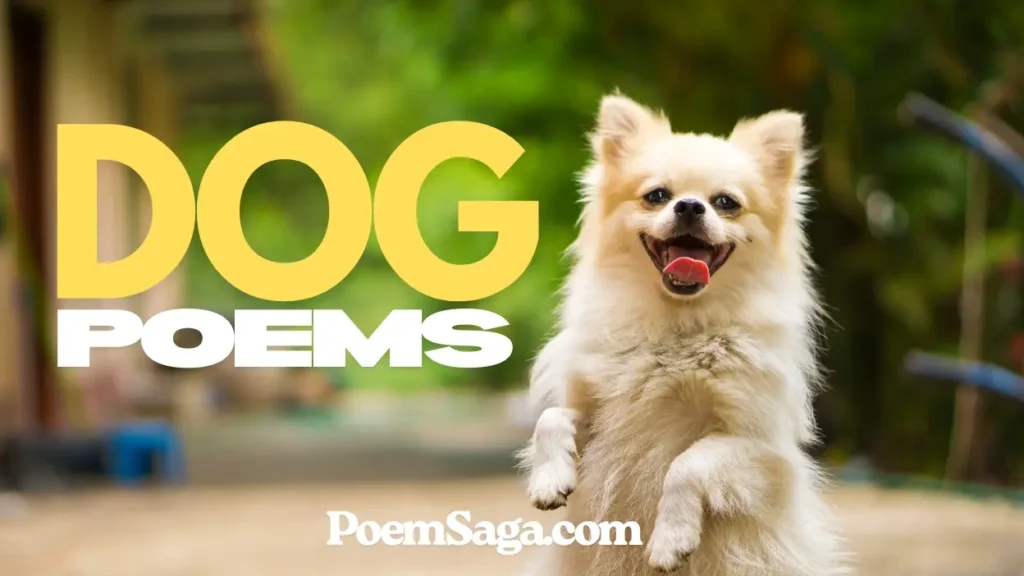
Dogs have been loyal companions to humans for centuries, and it’s no surprise that poets have written many beautiful verses about them. Dog poems capture the essence of what makes dogs such wonderful friends: their loyalty, joy, and the deep bond they share with us.
In this article, you’ll explore various dog poems, their meanings, and how these pieces of poetry continue to resonate with readers today. Whether you’re a dog lover or just curious about poetry, there’s something here for you to enjoy and reflect on.
The History of Dog Poems: From Ancient to Modern
Dog poems have appeared in literature for as long as we’ve had written language. Many early poems about dogs were about their loyalty and courage, often celebrating dogs in heroic roles.
Ancient texts, such as those from Greece and Rome, mention dogs, emphasizing their role as protectors or loyal companions. But it wasn’t just the ancient world that appreciated dogs. Poets throughout history have found them to be a rich source of inspiration.
In the 19th and 20th centuries, dog poems began to reflect a deeper emotional connection. Dogs were no longer just seen as protectors or workers they were portrayed as best friends, with personalities that could be cherished and loved.
Writers like Rudyard Kipling and others created poems that highlighted the warmth and companionship that dogs offer in our lives.
Today, modern poets still find inspiration in dogs, with poetry touching on themes of loyalty, loss, joy, and even the unique quirks that make our pets so special.
Writing Style and Recurring Themes in Dog Poems
When reading dog poems, you’ll notice several recurring themes. First, there’s the deep emotional bond between the dog and the owner. This bond is often shown through tender, loving language that paints the dog as a true family member.
Another theme is loyalty dogs are often described as being steadfast, always by our side, no matter the circumstances.
The writing style of dog poems can vary widely. Some poets use simple, straightforward language to express their feelings. Others choose more complex, symbolic language to create deeper emotional meanings.
Despite these differences, the underlying sentiment is always the same: dogs are more than just pets; they are friends, family, and sometimes even heroes.
Poems and Their Meanings
Let’s dive into some original dog poems and explore their meanings together. Each poem reflects different aspects of a dog’s character or the emotions they evoke in their owners.
1. The Loyal Friend
A wag of the tail, a look in the eye,
No words are needed, you’re always nearby.
With every step, we walk as one,
Your love, a gift that can’t be undone.
Meaning: This poem celebrates the unwavering loyalty dogs show. The tone is gentle and appreciative, capturing the pure bond between a dog and its owner. The symbolism of walking as one represents how dogs are with us, supporting us, and sharing our journeys in life.
Modern Connection: This poem resonates with anyone who has felt the quiet companionship of a dog, always there without asking for anything in return.
2. Morning Joy
The sun peeks over, a new day begins,
You’re ready to play, with energy that spins.
You wag your tail and bark so loud,
Making every morning feel bright and proud.
Meaning: Here, the poem reflects the boundless joy and enthusiasm that dogs bring to our mornings. The playful energy of a dog is contagious, making even the most ordinary days feel special. The bright, energetic imagery connects to feelings of happiness and excitement that come with a dog’s presence.
Modern Connection: For many, mornings are better with a dog’s excitement, turning an ordinary routine into a burst of joy.
3. A Dog’s Eyes
In your eyes, I see the world,
A gentle soul, your love unfurled.
No need for words, your gaze so deep,
In your silence, my heart you keep.
Meaning: This poem focuses on the quiet but powerful connection dogs have with us. Their eyes are often described as windows to their soul, and in this case, they convey deep love and understanding. The lack of words emphasizes how dogs communicate with emotions rather than speech.
Modern Connection: We often connect with our dogs through non-verbal cues. This poem speaks to those moments when a simple look from a dog tells us everything we need to know.
4. The Old Dog’s Wisdom
Years have passed, yet you still stay,
Your graying fur a sign of the days.
But in your gaze, there’s wisdom true,
In every step, a love that grew.
Meaning: This poem reflects on the aging process of dogs and the deep wisdom they acquire over the years. It touches on the bittersweet nature of watching a dog grow old but also highlights the deeper bond that grows stronger with time.
Modern Connection: For anyone who has cared for an older dog, this poem is a reminder of the quiet strength and love that come with the passage of time.
5. A Dog’s Gift
You gave me joy in every bark,
A loyal friend, through light and dark.
The gift you gave was never more—
Your love that opened every door.
Meaning: This poem emphasizes the transformative power of a dog’s love. Dogs open our hearts and minds, and their love provides us with strength through tough times. The “gift” in the poem is not a physical object, but the emotional support and joy a dog offers.
Modern Connection: It speaks to the way dogs help people heal, offering unconditional love that impacts their lives in profound ways.
6. The Playful Pup
Chasing shadows in the yard,
Tumbling, rolling, running hard.
Your boundless spirit fills the air,
A joyful pup beyond compare.
Meaning: A playful and carefree tone dominates this poem, celebrating a dog’s youthful energy and the fun they bring to our lives. The dog’s uninhibited spirit is symbolic of freedom and living fully in the moment.
Modern Connection: For anyone with a puppy or a dog who still enjoys playtime, this poem brings those memories to life, reminding us of the happiness in simple play.
7. The Silent Guard
You stand so still, your eyes so bright,
Watching over me through the night.
No sound, no movement, yet you’re near,
A silent guard, a friend so dear.
Meaning: This poem highlights a dog’s protective nature, often expressed through quiet vigilance. The dog is a “silent guard,” offering safety and companionship without saying a word. It’s a reminder of how dogs watch over us, even when we’re not aware.
Modern Connection: Many dog owners feel comforted by their dog’s protective nature, whether physically or emotionally. This poem captures that feeling of security.
8. Farewell to a Friend
The time has come, you must depart,
But you’ll always live within my heart.
Your tail will wag no more, it’s true,
But in my soul, I carry you.
Meaning: A bittersweet farewell poem, it captures the sadness of losing a beloved dog. Despite the grief of their passing, the memory of their love stays with us forever. This poem speaks to the universal experience of saying goodbye to a pet.
Modern Connection: Many readers will recognize the deep emotional impact of losing a dog, and this poem offers comfort by acknowledging that their spirit remains.
Why Dog Poems Still Matter Today
Dog poems are timeless because they capture the universal emotions that connect us with our pets. They remind us of the love, joy, and even sorrow that come with sharing our lives with dogs. In a world that’s constantly changing, the bond between humans and dogs remains a constant source of comfort and inspiration.
These poems matter because they speak to deep feelings that resonate across generations. Whether you’re a dog owner or simply appreciate the beauty of poetry, these verses offer a chance to reflect on the simple, yet profound relationship we have with dogs.
How to Write Your Own Dog Poem
Writing your own dog poem can be a wonderful way to express the love and admiration you have for your pet. Start by thinking about the qualities that make your dog special.
Is it their loyalty, playfulness, or quiet companionship? Try to use simple, vivid language that captures those traits.
Focus on your feelings and let the poem come naturally. Don’t worry about perfect rhyme or structure—just let your heart guide you.
FAQs About Dog Poems
1. What makes dog poems so special?
Dog poems are special because they capture the deep emotional bond between humans and dogs, highlighting their loyalty, love, and companionship.
2. Can anyone write a dog poem?
Yes, anyone can write a dog poem! Just focus on the emotions and unique qualities of your dog, and let the words flow.
3. Why do people enjoy reading dog poems?
People enjoy reading dog poems because they evoke strong emotions, from joy to sorrow, and reflect the universal love for dogs.
4. How do dog poems connect with modern readers?
Dog poems resonate with modern readers by highlighting themes of love, loss, and the emotional connection between dogs and their owners.
Conclusion
Dog poems hold a special place in our hearts because they reflect the powerful and lasting bond we share with our canine companions. They remind us of the joy, comfort, and even sorrow that dogs bring into our lives.
Whether you write your own or read those written by others, these poems have the power to touch our souls and celebrate the love we have for our furry friends. So next time you think of your dog, remember that poets have been celebrating their beauty for centuries, and it’s easy to see why.