
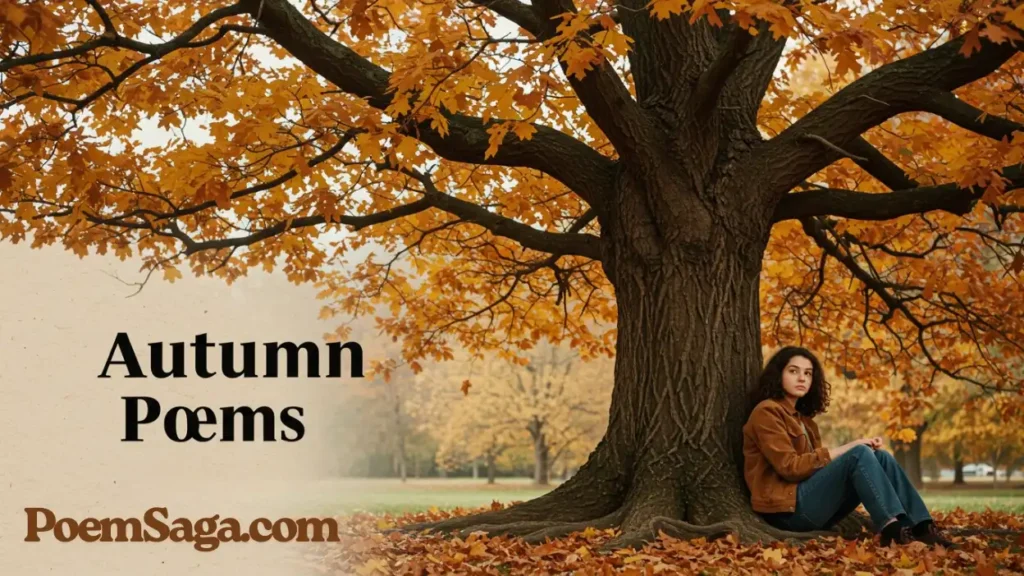
Autumn is a time of change, reflection, and beauty. Its golden hues, crisp air, and falling leaves often inspire poets to capture its essence in verses.
Autumn poems are a unique way to celebrate the season and reflect on the deeper meanings behind nature’s transformation.
In this article, we’ll explore a selection of poems about fall, their meanings, and how they connect with modern readers. If you’ve ever wondered how autumn poetry can evoke deep emotions, keep reading.
The Beauty of Autumn in Poetry: A Historical Look
Autumn has long been a source of inspiration for poets. The season represents a transition from the warmth of summer to the quiet stillness of winter. Historically, poets have used autumn to symbolize themes like change, aging, and introspection.
Famous poets like John Keats and Robert Frost have written some of the most iconic fall poems, often reflecting on nature’s cycles and the passage of time.
In ancient literature, autumn was a symbol of harvest and abundance. Many cultures around the world celebrate the season through poetry, connecting it to themes of life, death, and rebirth. These poems speak not only to the beauty of the changing leaves but also to the fleeting nature of life itself.
Writing Style and Recurring Themes in Autumn Poems
Autumn poems often focus on vivid imagery, using rich descriptions of nature to evoke emotions. Poets typically employ metaphors and symbolism to convey deeper meanings, such as the leaves falling representing the passage of time or the chill in the air signifying change.
The mood in autumn poems can vary from nostalgic and reflective to melancholy and peaceful. Some poets use the season to express gratitude for the present moment, while others focus on themes of loss and transition. Regardless of tone, the underlying message often revolves around the inevitability of change and the beauty that comes with it.
Poems and Their Meanings
Here are six unique autumn poems, each with its interpretation and meaning.
Poem 1: “Golden Leaves”
Golden leaves swirl in the wind,
Whispers of autumn, soft and kind.
A fleeting touch, a soft goodbye,
As time goes on, we wonder why.The tree stands bare, a solemn sight,
Yet in its stillness, pure delight.
For though the leaves have flown away,
The beauty of fall will always stay.
Interpretation:
This poem reflects the cyclical nature of autumn. The golden leaves symbolize beauty and transience, as they fall from the trees, marking the passing of time. The tree’s stillness represents acceptance, finding peace in the changes life brings. Readers can relate to the feeling of loss and nostalgia that often comes with autumn, but also recognize the quiet beauty in those moments.
Poem 2: “Autumn’s Embrace”
The wind blows cold, the air is clear,
Autumn’s touch is drawing near.
Leaves, like flames, burn bright and bold,
The earth is warm, yet skies turn cold.A blanket of gold on the ground,
Where summer’s warmth can still be found.
Autumn’s embrace, a gentle grace,
As seasons change, we find our place.
Interpretation:
Here, autumn is described as an embrace, a gentle reminder that change is inevitable. The bright, fiery leaves symbolize the warmth and intensity of the season, even as the temperature drops. The blanket of gold represents the comfort of nature’s changes, offering a sense of peace as we adapt to the shifting seasons. For modern readers, this poem encourages finding comfort and grace amid change.
Poem 3: “Whispers of Fall”
In every leaf that flutters by,
A secret whisper, soft and shy.
The trees, once full, now stand alone,
Their branches bare, yet they have grown.The air is crisp, the night is long,
Autumn sings its fading song.
Yet in the silence, we hear it clear,
The message autumn holds so dear.
Interpretation:
This poem emphasizes the quiet beauty of autumn, where even in the silence of the falling leaves, there is a hidden message. The bare trees represent growth and strength, even in solitude. The poem speaks to the quiet moments of reflection that autumn brings, encouraging readers to listen closely to the messages of nature. It reminds us that there’s wisdom in stillness and change.
Poem 4: “Falling Stars”
The stars above are bright tonight,
But autumn leaves take their flight.
Down they fall, as night grows deep,
Into the earth, where secrets sleep.Each leaf that falls is a wish, a dream,
A silent prayer in the moon’s soft beam.
Autumn’s promise, as it fades away,
Is that new dreams are born each day.
Interpretation:
In this poem, the falling leaves are compared to stars, symbolizing dreams and wishes. As the leaves fall, they carry with them hopes for the future. This reflects the cyclical nature of autumn, where one phase ends but new possibilities begin. The poem encourages readers to embrace the changes in their lives and trust that new dreams will emerge from every season.
Poem 5: “Autumn’s Quiet Gift”
The harvest moon is full tonight,
Its glow a soft and silver light.
The world is still, the earth in rest,
Autumn brings its quiet best.No need for words, no need for sound,
In autumn’s gift, peace can be found.
Beneath the sky, so dark and deep,
We close our eyes and fall asleep.
Interpretation:
This poem speaks to the peacefulness of autumn nights. The harvest moon is symbolic of abundance and rest, while the stillness of the world invites a sense of calm. It’s a reminder that sometimes peace doesn’t need to be loud or filled with activity; it can be found in quiet moments. For modern readers, this poem offers a reprieve from the busyness of life, encouraging reflection and rest.
Poem 6: “October’s Dream”
October comes with golden dreams,
Of pumpkin fields and quiet streams.
The sun is soft, the air is sweet,
As autumn whispers at our feet.A time for change, a time to grow,
To plant new seeds and let them go.
October’s dream, so pure and bright,
Reminds us all to take flight.
Interpretation:
This poem represents the optimism of autumn, focusing on the idea of planting new seeds—whether literal or metaphorical. October symbolizes a time for growth and change, urging readers to embrace new beginnings. The imagery of pumpkin fields and quiet streams evokes a sense of tranquility and warmth, making this poem a hopeful reflection on the potential for personal growth and transformation.
How to Write Your Own Autumn Poem
Writing your own autumn poem can be a wonderful way to express how the season makes you feel. Here are a few simple steps to get started:
- Observe the Season: Pay close attention to the details of autumn. How does the air feel? What colors do you see? What sounds do you hear? Let these observations guide your poem.
- Use Imagery: Focus on vivid descriptions of autumn landscapes. Describe the colors of the leaves, the crispness of the air, or the quiet stillness of the season.
- Symbolism: Consider what autumn represents for you. Is it about change, reflection, or a new beginning? Use metaphors and symbolism to communicate these deeper meanings.
- Embrace Emotion: Whether it’s nostalgia, joy, or calmness, allow your emotions to flow into your writing. Autumn evokes strong feelings, and your poem should reflect that.
FAQs About Autumn Poems
1. Why do poets write about autumn?
Poets often write about autumn because it represents change, reflection, and the passage of time. The season’s beauty and symbolism make it a rich subject for poetry.
2. What are some common themes in autumn poetry?
Common themes include change, nostalgia, the beauty of nature, the passage of time, and the quiet moments of reflection that autumn brings.
3. How can modern readers relate to autumn poems?
Modern readers can connect with autumn poems by reflecting on their own experiences with change, loss, or personal growth. The universal themes of the season resonate across generations.
4. How can I write an autumn poem?
To write your own autumn poem, observe the season closely, use vivid imagery, and incorporate symbolism and emotion to express how autumn makes you feel.
Conclusion
Autumn poems continue to captivate readers with their vivid imagery and emotional depth. They remind us of the beauty in change and the quiet moments of reflection that the season brings.
Whether you’re reading poems about falling leaves or the harvest moon, these works help us connect with the world around us and find meaning in life’s transitions.
So, as the season unfolds, take some time to explore the beauty of autumn poetry and maybe even try writing your own.